

Japanese parasol
Japanese parasol — Kyoto Wagasa: Translucent in the Sunlight
Tsujikura: Kyoto's Oldest Wagasa (Japanese Umbrella) Maker / Established 1690
ABOUT WAHIGASA
What is a Japanese parasol?
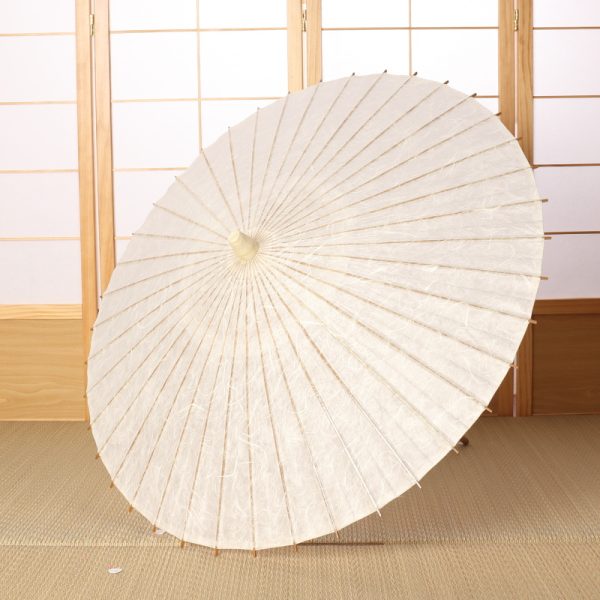
A "Japanese parasol" is a traditional Japanese parasol made with washi (Japanese paper).
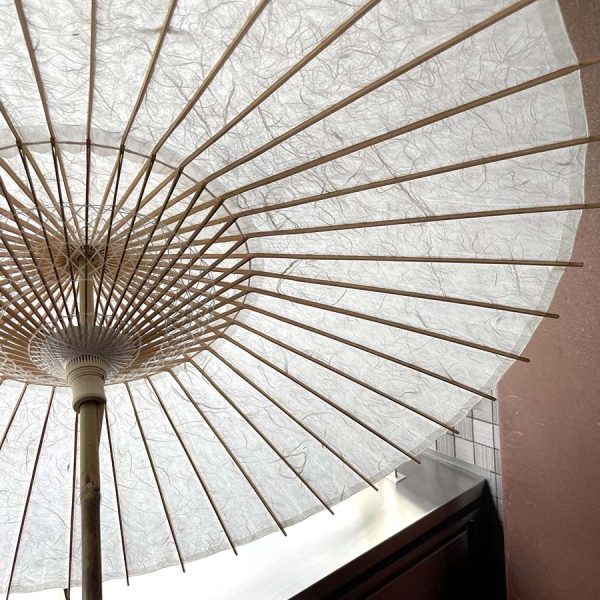
Unlike rain umbrellas, they are not treated with waterproofing oil, which allows the light to pass through the washi even more softly, creating a light and vibrant array of colors and patterns.
At Tsujikura in Kyoto, we offer genuine wahigasa called "En," which are handcrafted one by one by artisans using "Kurotani Washi," an intangible cultural property of Kyoto Prefecture.

Soft light filtering through washi paper
Even the strong sunlight of midsummer transforms into a soft, warm glow when filtered through a sheet of Japanese paper. Under the umbrella, a gentle shade is created, bringing a refreshing moment, unlike the stinging direct sunlight.
The shadow of the ribs overlaps with the diffused light, and even the patterns cast on the ground are beautiful. A Japanese parasol is a tool for cherishing the sunlight itself.

Tsujikura's Japanese Parasol "En"
The creation of a single wagasa involves numerous artisans: those who make the frames, those who craft the 'rokuro' (rotating mechanism) that connects the frames, and those who produce the washi paper. Then, the artisans at Tsujikura assemble these components into a beautiful wagasa.
A wagasa is born from connections between people, and these connections are then passed on to customers and to future generations. With the wish to "connect," we named Tsujikura's wagasa parasols "En" (縁), meaning "connection."
Features
Features of Japanese parasols
The charm of a Japanese paper parasol lies in its practical ability to soften the sunlight and its unique beauty derived from washi paper.
Here, we introduce the characteristics of the craftsmanship embodied in Tsujikura's Japanese paper parasols.
Washi paper with leaves
Washi paper with real tree leaves embedded in it. When held up to the sunlight, the leaf veins appear, revealing a unique natural expression.
Soft natural light
Because there is no oil applied for waterproofing, the light passing through the washi paper is even softer, creating a gentle shade under the umbrella.
Light and airy appearance
Thin washi paper stretched over a delicate bamboo frame, giving it a lightness that fits perfectly in your hand. Products made with black bamboo have an even more dignified appearance.
Rich colors and patterns
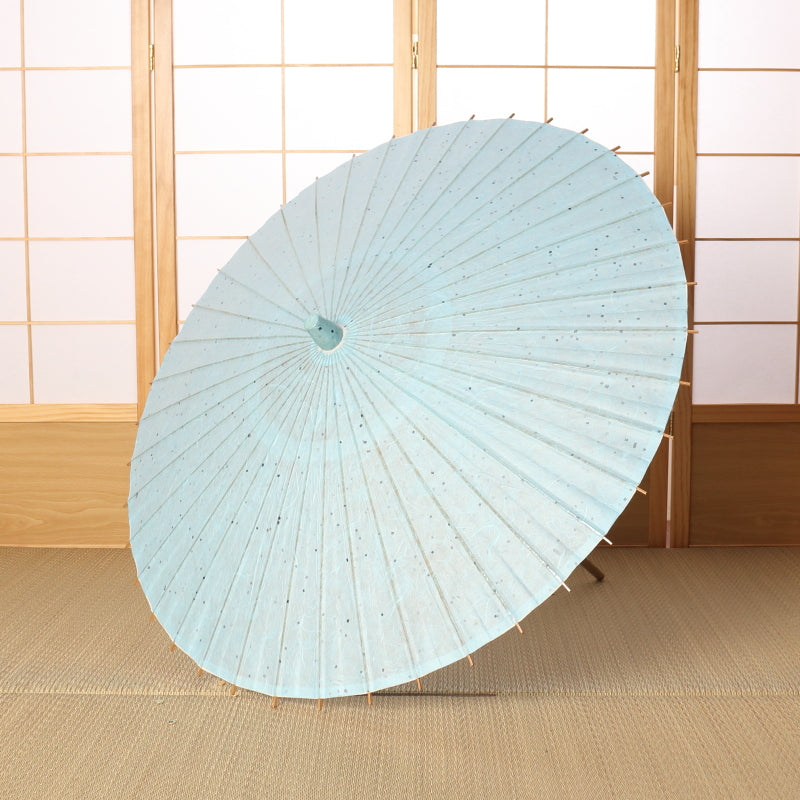
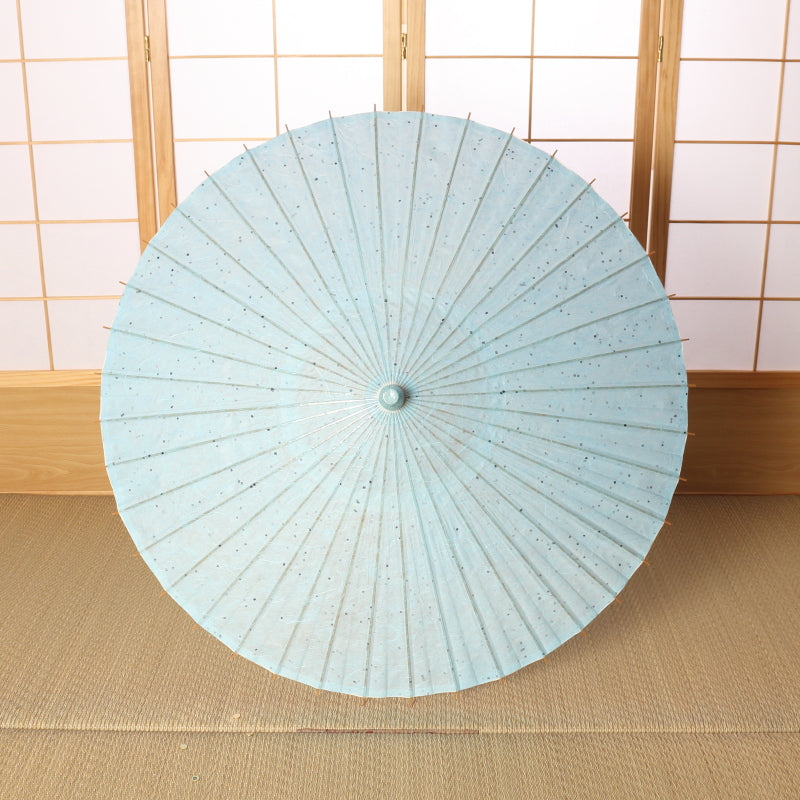
From Kurotani's special designs to blurred dyeing, tie-dyeing, and hand-painted Kyo-Yuzen. Colors that complement both Japanese and Western clothing.
Parasols, dance umbrellas, and interior decorations
It can be widely used not only as a parasol, but also as a dance umbrella or as a Japanese interior decoration.
HIGASA & AMAGASA
The Difference Between Higasa Umbrella and Amagasa Umbrellas
“What's the difference between a Higasa (Japanese parasol) and an Amagasa (rain umbrella)?”
This is a question we are often asked. While their basic structures are similar,
they differ in the delicacy of their decoration and their overall presence.
Please choose the one that best suits your purpose.
| Feature | Wahigasa Parasol (En) | Rain Umbrella (Janome / Bangasa) |
|---|---|---|
| Use | Parasol, dance umbrella, interior decor | Rain umbrella, everyday use |
| Waterproofing | None (not for rainy days) | Yes (coated with oil and lacquer) |
| Washi Paper | Thin, letting light through softly | Thick and oiled to repel rain |
| Light & Shade | Mellow light and cool, gentle shade | Sound of rain and soft light inside |
| Colors & Patterns | Rich and vivid (incl. yuzen and leaf-inlaid washi) | Subdued tones such as indigo and jet black |
SELECTION
Japanese Parasol Popular Product
Here we introduce popular handmade Japanese parasols from Kyoto's Tsujikura.
Please choose a parasol for summer, which will look beautiful as sunlight shines through it.
Parasols and dancing umbrellas


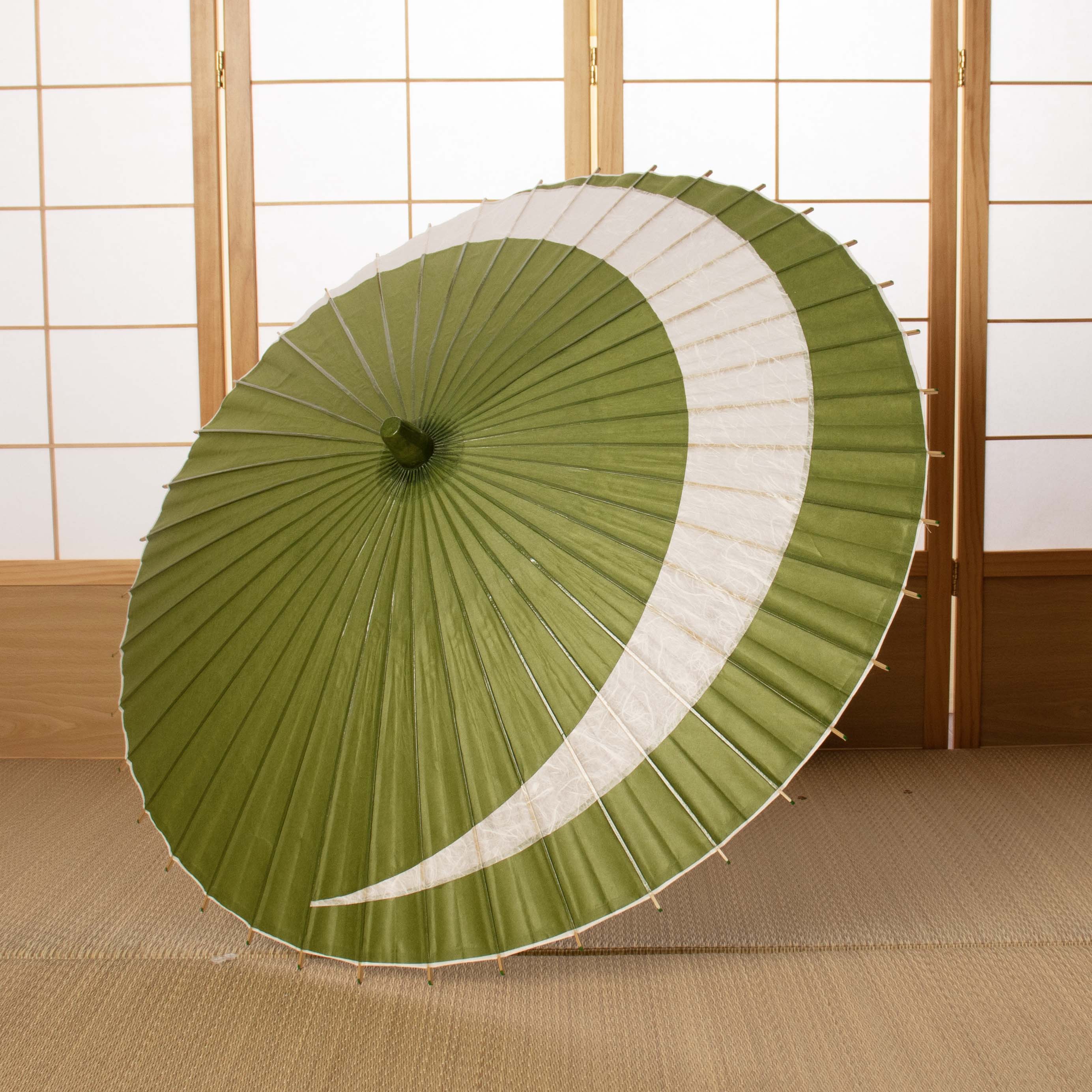
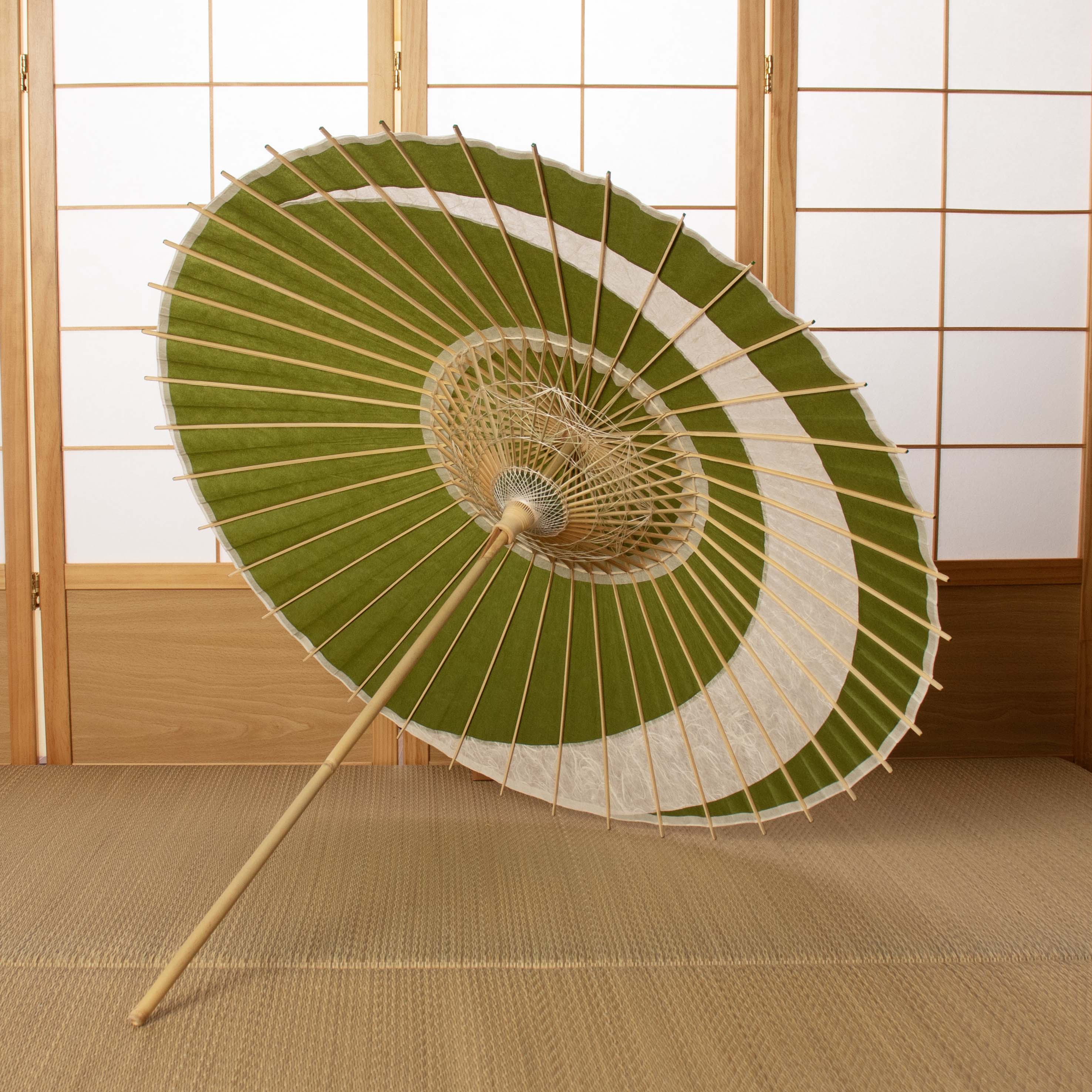
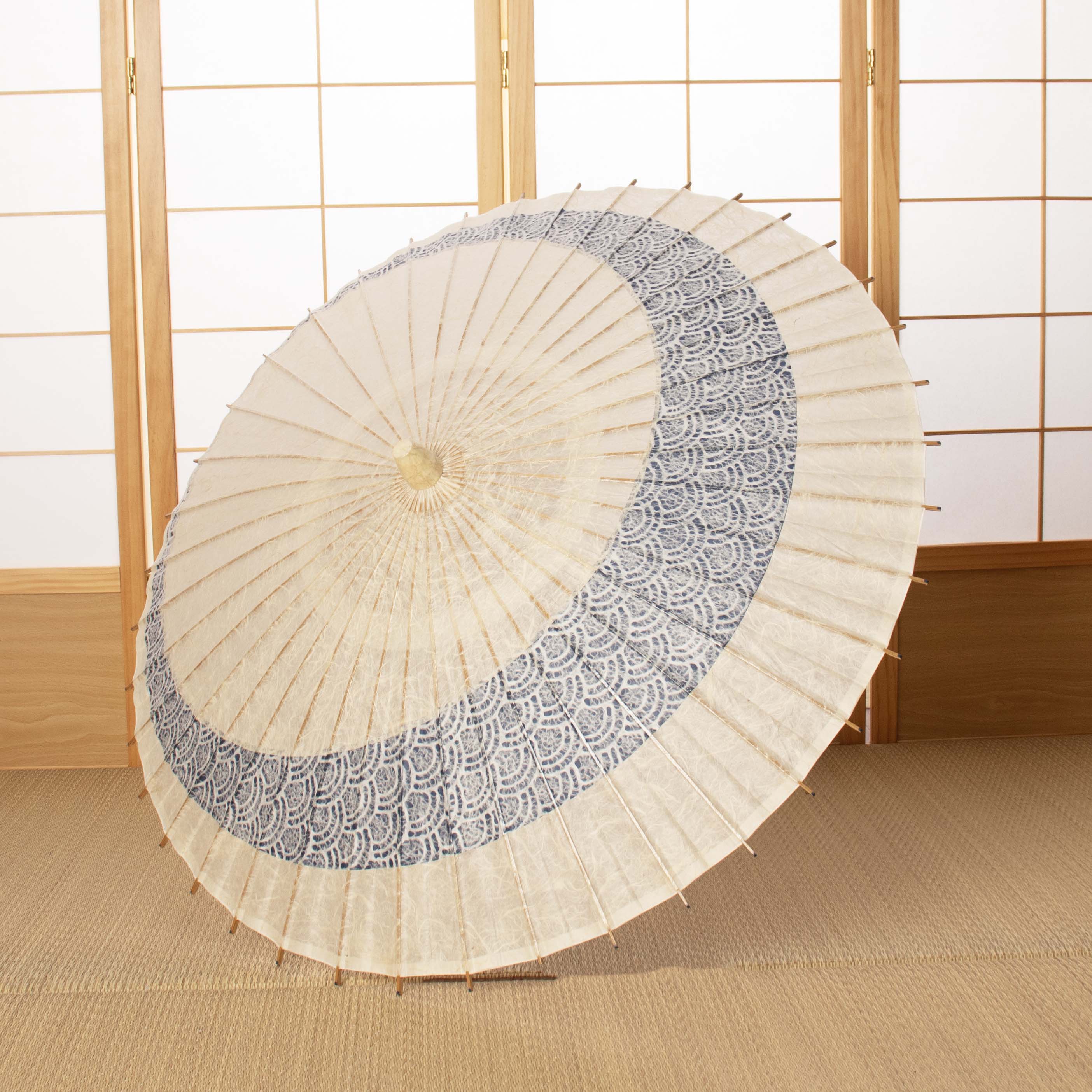
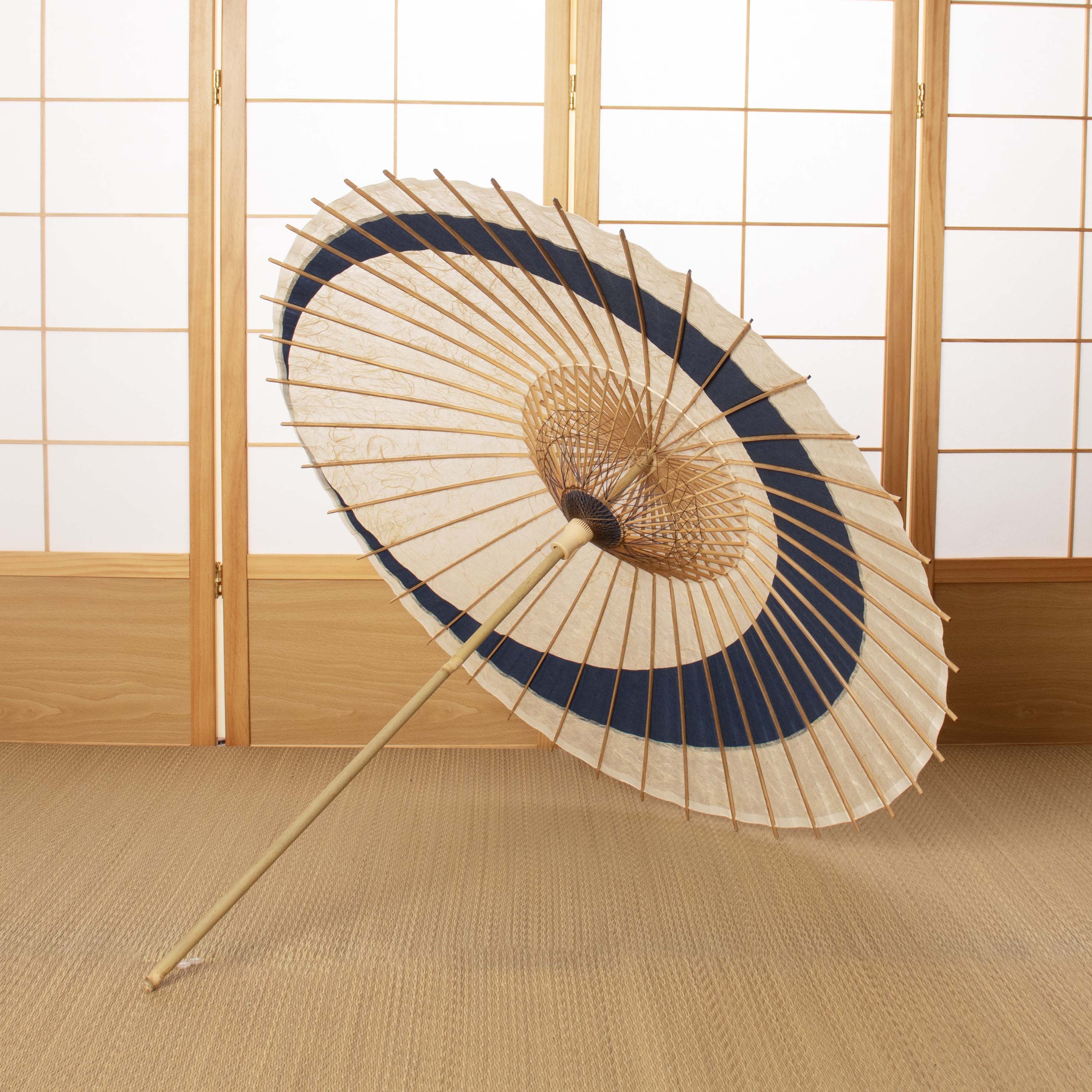
Higasa (Japanese parasol)


Higasa (Japanese parasol)
Higasa (Japanese parasol)
Higasa (Japanese parasol)
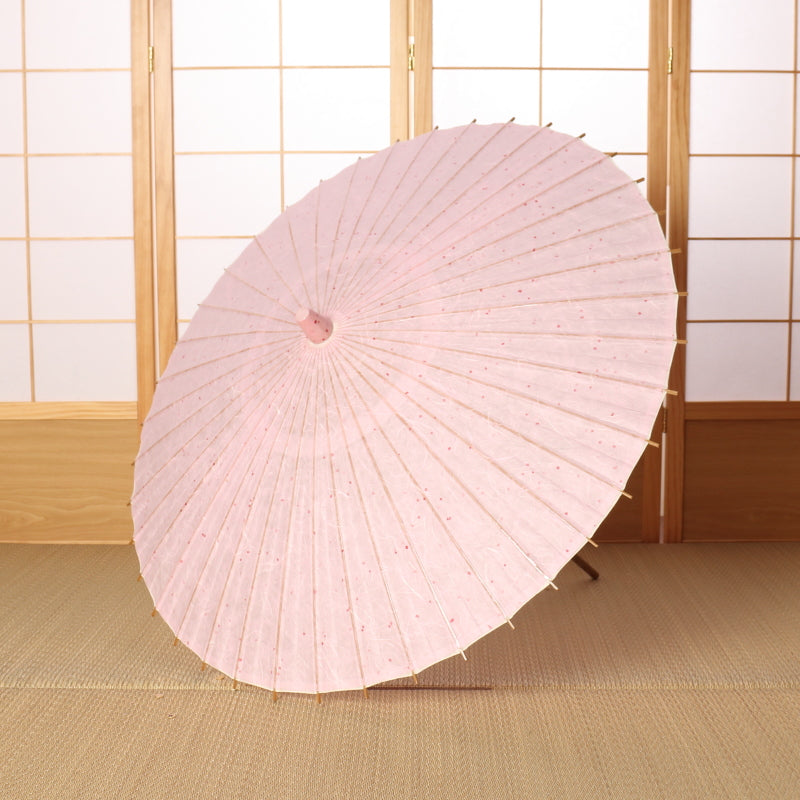
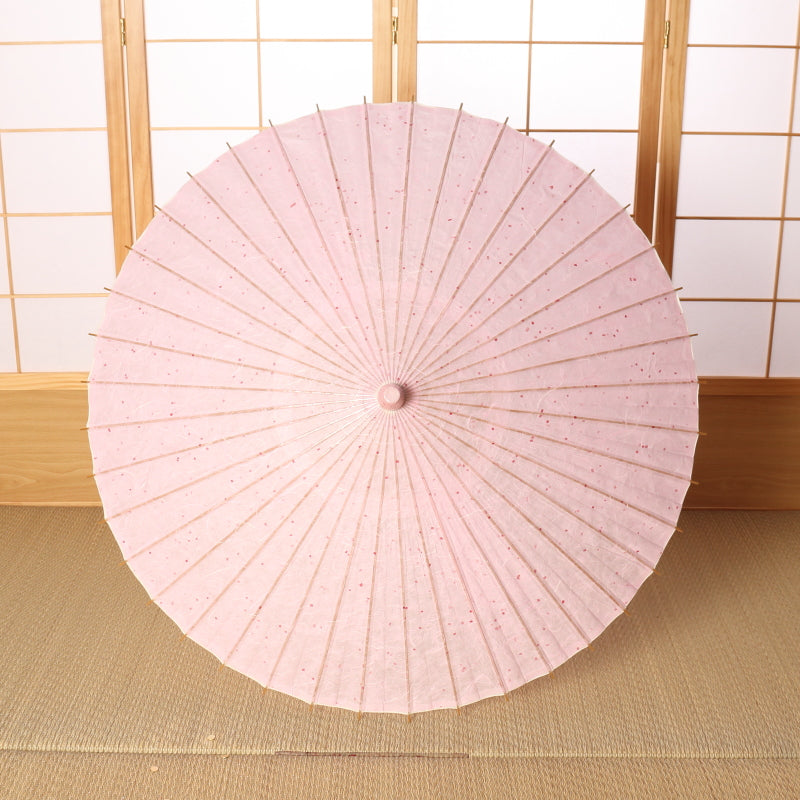
Higasa (Japanese parasol)
HOW TO CHOOSE & CARE
How to Choose and Care For

How to choose a Japanese parasol
If you're looking for a casual parasol for sun protection, we recommend the lightweight black bamboo parasols or plain designs. If you're looking for something that will stand out for kimono wear or photos, we suggest the select patterns from Kurotani, hand-painted Kyo-Yuzen, or washi paper with embedded leaves. These can be used by anyone, regardless of gender or whether they are wearing traditional Japanese or Western clothing.
For your first parasol, we recommend a versatile black bamboo item. For gifts, a festive Yuzen pattern or personalization would be appreciated.

Care for extended use
After use, dry thoroughly in a well-ventilated, shaded area, then roll lightly and store. Avoid prolonged exposure to direct sunlight or rapid drying, as this can cause fading or warping.
Since it is made of washi paper, avoid rain and getting it wet. Storing it in a low-humidity place is key to its longevity. If handled carefully, it can be cherished for many years.
FAQ
Japanese Parasols: Frequently Asked Questions
The pattern that appears as thick white rings on a solid background color, such as navy or red, when the umbrella is opened, resembled a snake's eye, which is why it came to be called a "Janome-gasa" (snake-eye umbrella). It originated around the end of the 17th century and spread during the Edo period after being used as a prop in Kabuki plays.
Kurotani Washi is a handmade Japanese paper that has been made for about 800 years in the Kurotani region of Ayabe City, Kyoto Prefecture, and is designated as an intangible cultural property of Kyoto Prefecture. Because it is durable yet transmits light beautifully, it is used in Tsujikura's Japanese parasols.
The creation of a single wagasa involves the combined efforts of many individuals, including artisans who make the frame, those who craft the rokkuro (spindle), and those who make the washi paper. A wagasa is born from these human connections, and it is with the hope of extending these connections to our customers and to future generations that we have named Tsujikura's wagasa parasols "En" (縁), meaning "connection" or "縁(fate)."
This is washi paper embedded with real leaves. When you open the umbrella and hold it up to the sun, the delicate veins of the leaves become visible, allowing you to enjoy the natural beauty of the leaves themselves. No two are exactly alike, which is part of the unique charm of a Japanese paper parasol.
Washi softens sunlight with its multiple layers of fibers, creating a gentle shade beneath the umbrella. Unlike harsh direct sunlight, the light filtering through washi is mellow and cool. You can enjoy the charm of Japanese aesthetics while protecting your skin from the strong summer sun.
Yes. 'Enishi' can be used widely not only as a parasol but also as a dance umbrella or as Japanese interior decor. We also deliver them with names inscribed for maiko and geiko, and they look beautiful in photos with Japanese attire.
After use, dry thoroughly in a well-ventilated, shaded area, then roll loosely and store. Prolonged exposure to direct sunlight or rapid drying can cause fading and warping. Since it is made of Japanese paper, avoid rain and water, and store in a low-humidity environment for longevity.
Yes. Tsujikura's wagasa come in an original cosmetic box and a Japanese-patterned umbrella cover. We also offer handwritten name-engraving (up to 6 characters) for ¥550 and noshi gift wrapping, making them a popular gift for loved ones or a souvenir for people overseas.
EPILOGUE
Cherish the sunlight.
Soft light filtering through washi paper, cool shadows spreading at your feet.
A Japanese parasol transforms dazzling summer days into pleasant ones.
Keep a handmade "En" from Kyoto Tsujikura close to your daily life.