
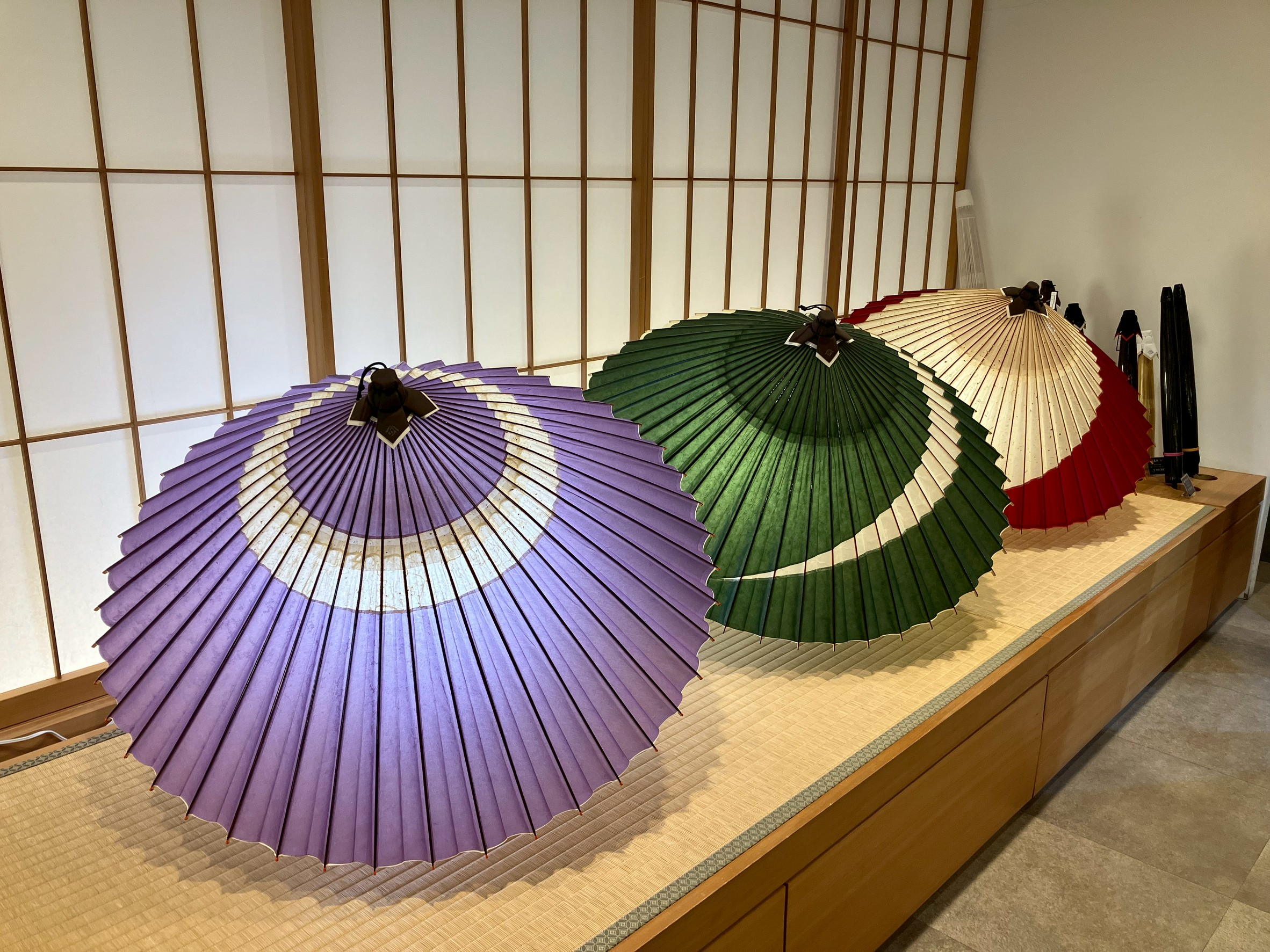
Janome Umbrella
Janome Umbrella — Kyoto's traditional wagasa, radiant in the rain
Tsujikura: Kyoto's Oldest Wagasa (Japanese Umbrella) Maker / Established 1690
ABOUT JANOME
What is a Janome umbrella?
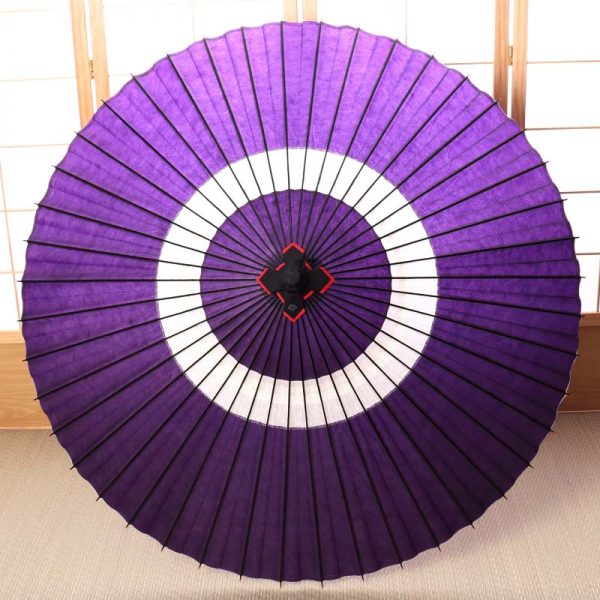
Janome umbrella are traditional Japanese umbrellas named for the white, thick ring that appears within the base color when the umbrella is opened, resembling a snake's eye ("janome" in Japanese). These lightweight and highly decorative wagasa (Japanese umbrellas) feature thin ribs adorned with decorative threads and a rattan-wrapped handle. At Kyoto's Tsujikura, we offer genuine janomegasa, each meticulously handcrafted by artisans.
The History and Origins of Janome Umbrellas
Janome Umbrella originated around the end of the 17th century. The wide, thick white circles on a base color of navy or red resembled a snake's eye, hence the name "Janome Umbrella."
From around the Kyoho and Genbun eras (1716-1741), lighter umbrellas with thinner handles became popular and were cherished as "hosogasa" (thin umbrellas) carried at the waist while walking. During the Edo period, their use as props in Kabuki plays sparked a trend. Even today, in the popular play "Sukeroku Yukari no Edo Zakura," the protagonist Sukeroku's janome-gasa adorns the stage.
Ward off Evil and Bring Good Fortune: Wishes Embodied in the Snake-Eye Pattern
The "Janome" (snake-eye) pattern is an ancient Japanese design, said to have originated from the shape of a snake's eye, considered a messenger of the gods, and thus believed to ward off evil.
Furthermore, the wide, spreading shape of an open umbrella has been associated with wishes such as "protection from pouring difficulties" and "lasting happiness under one roof," making it a symbol of good fortune used in celebrations and as part of a bride's trousseau. Today, it is a Japanese umbrella that can be easily used by anyone, regardless of gender or whether they are wearing traditional Japanese or Western clothing.
Features
Characteristics of Janome Umbrella
While similar in structure to a Bangasa, a Janomegasa offers a more delicate craftsmanship and ornamentation, which is its charm.
Here, we introduce the characteristics of the artisan's handiwork embodied in a single umbrella.
slender frame
Crafted with thinner bamboo ribs than a traditional oil-paper umbrella, it boasts a light and elegant appearance. Its delicate nature is apparent the moment you hold it.
Rattan-wrapped handle
The handles are made of wood or bamboo, with rattan wrapped around the wooden handles. This gives them a comfortable feel and a beautiful finish.
Overcasting thread (Decorative thread)
We add decorative threads with an elaborate design to the inner small bone sections. This is a unique aesthetic of Janomegasa umbrellas.
Ferrule
The tip of the handle is fitted with a metal cap called an "ishizuki," which protects the tip when the umbrella is placed on the ground.
Two-step push-out
It has two levels of "haziki" (catches) that hold the umbrella open, allowing you to open it to a slightly narrower extent on crowded or windy days.
Waterproof Japanese paper and lacquer
This is an authentic oil-paper umbrella with waterproof oil applied to the washi paper and lacquer on the ribs. In addition to its practical use, you can also enjoy the unique scent of a wagasa.
JANOME & BANGASA
The difference between a Janome umbrella and a Bangasa
We are often asked, "What's the difference between a Janome-gasa and a Bangasa umbrella?" While their basic structures are the same, they differ in the delicacy of their decorations and their overall appearance. Please choose according to your needs.
| Category | Janome Umbrella | Bangasa Umbrella |
|---|---|---|
| Frame | Slim and delicate | Thick and sturdy |
| Decoration | Elegant craftsmanship with decorative threads and rattan wrapping | Minimal decoration with a simple, rustic appearance |
| Handle | Lightweight with a black lacquered finish and rattan wrapping | Thick and designed for practical use |
| Impression | Refined and graceful | Simple and strong |
| Best suited for | Rain umbrellas, kimono occasions, special days, and gifts | Rain umbrellas, everyday use, and creating a traditional atmosphere at shops |
SELECTION
Janome Umbrella Popular Products
Here are some popular Janomegasa (oiled-paper umbrellas) handcrafted by Tsujikura in Kyoto.
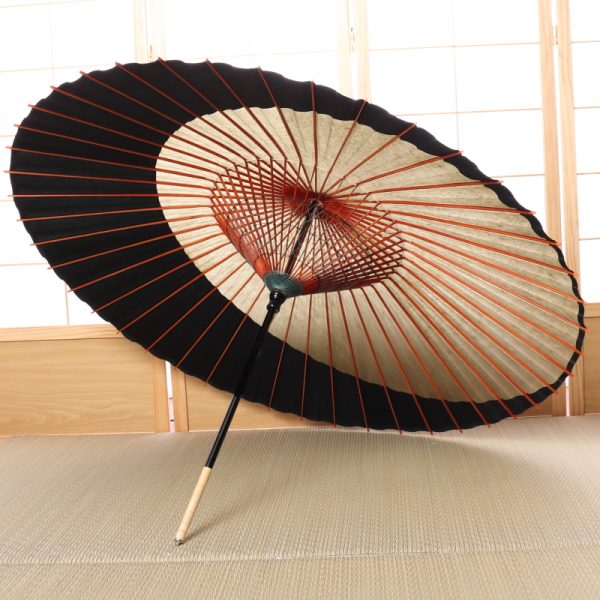
Choose one in black lacquer or indigo, a striking sight on a rainy day.
Specially selected Janome Umbrella
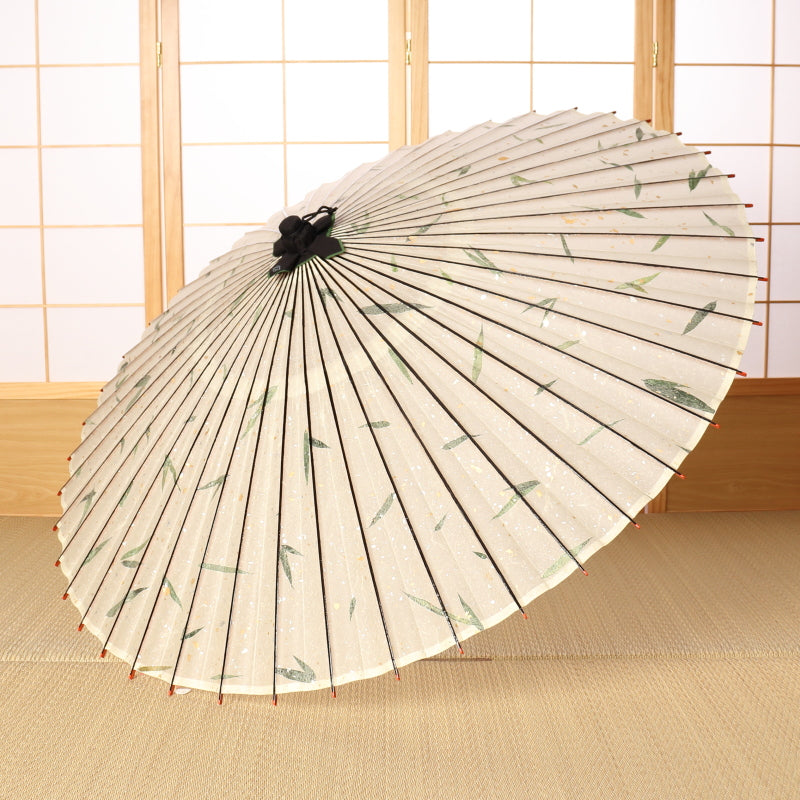
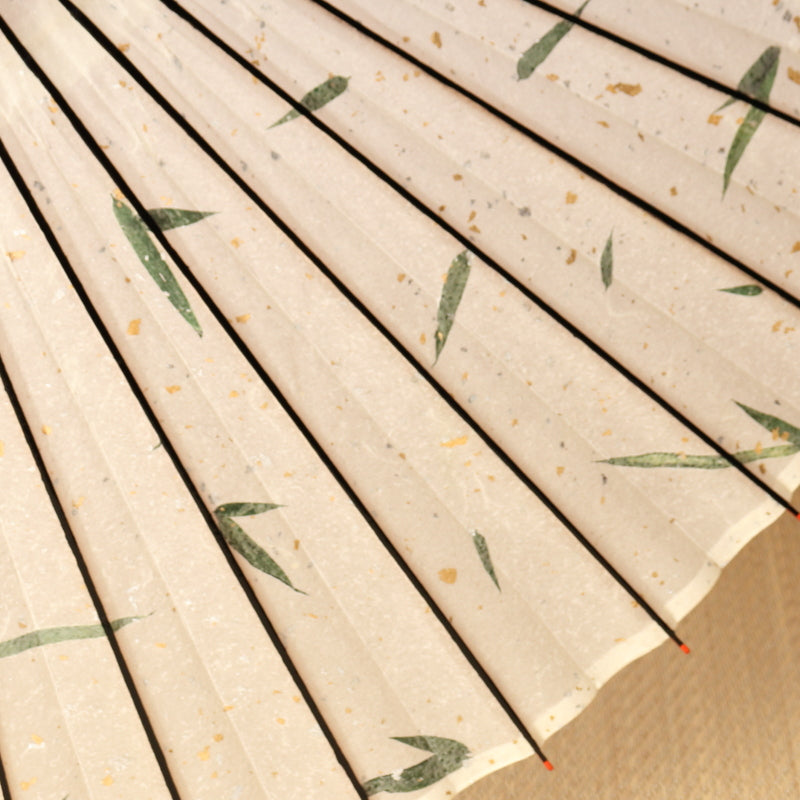
Janome (Slender umbrella)
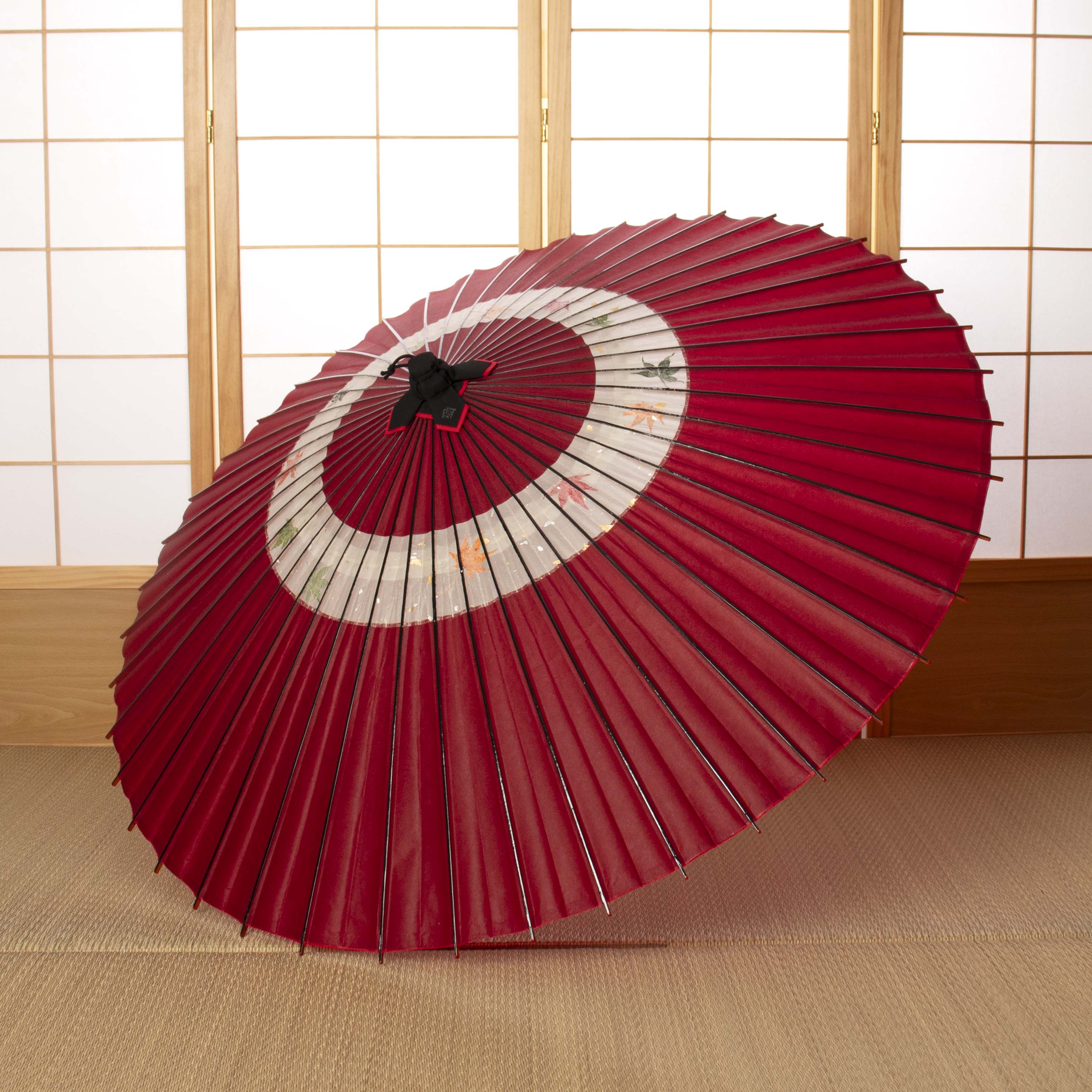
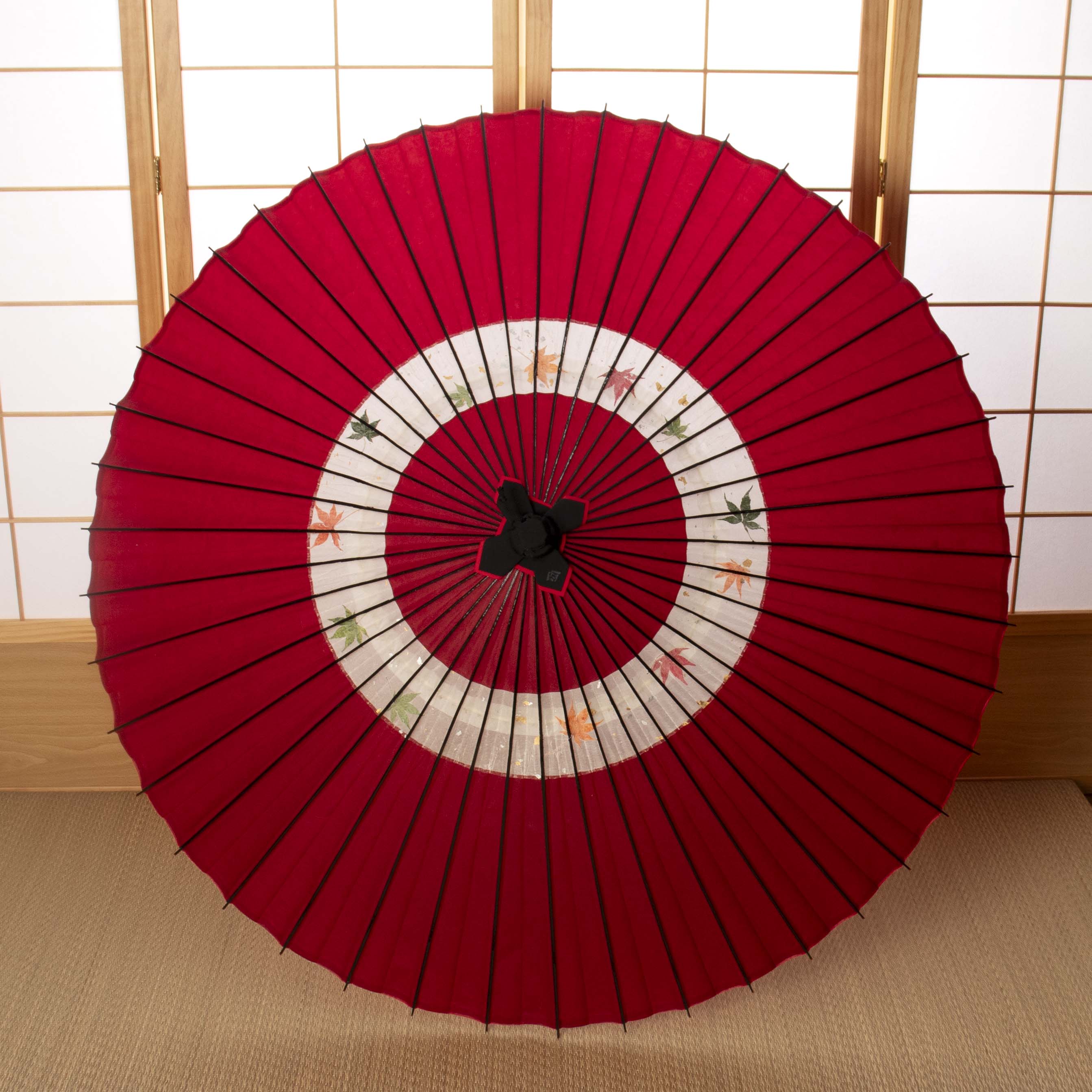


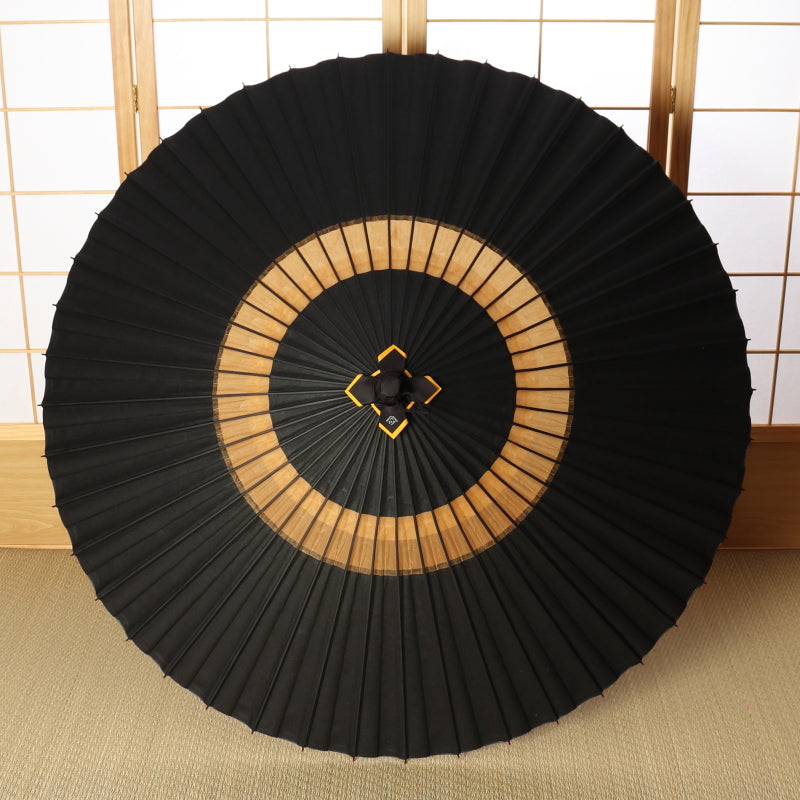
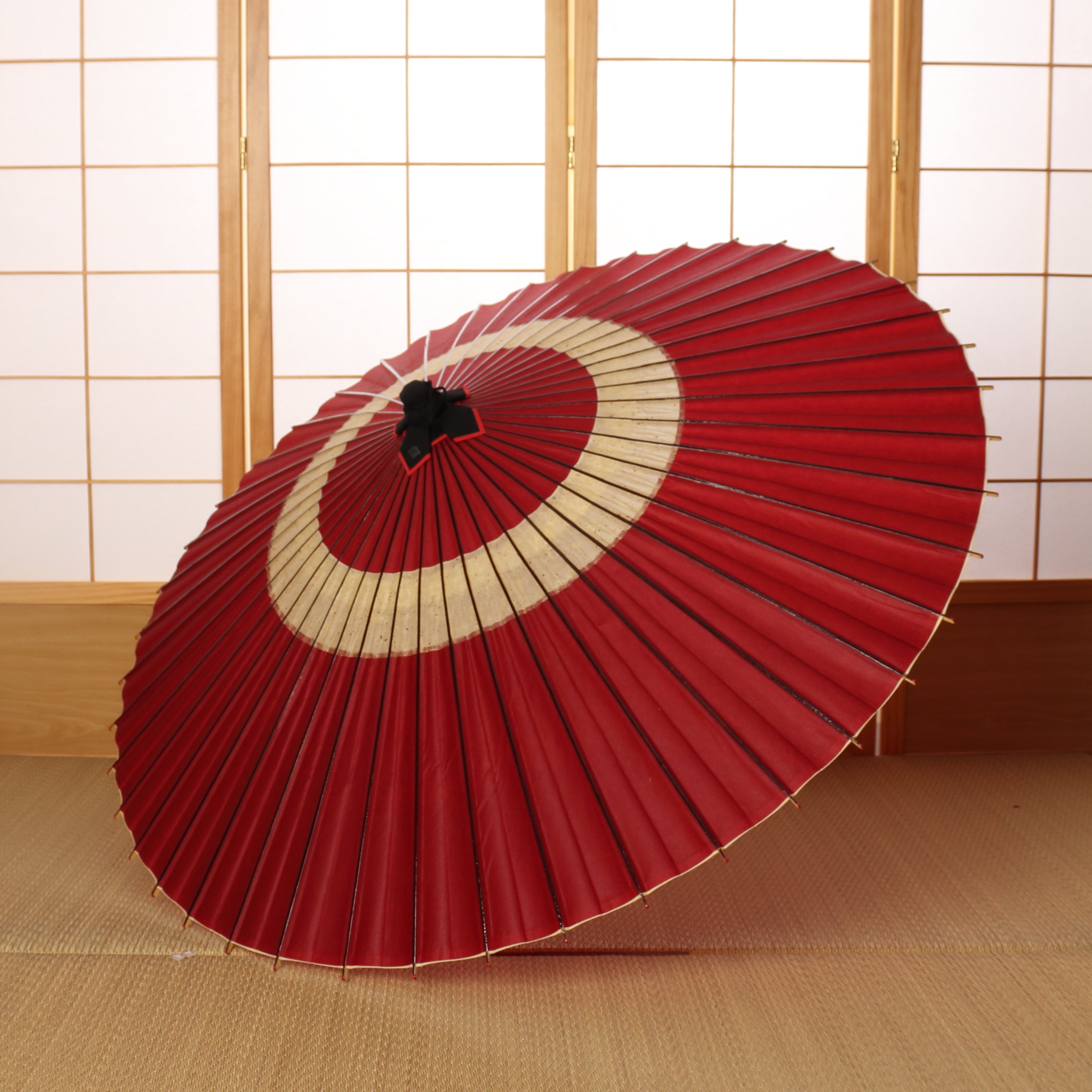
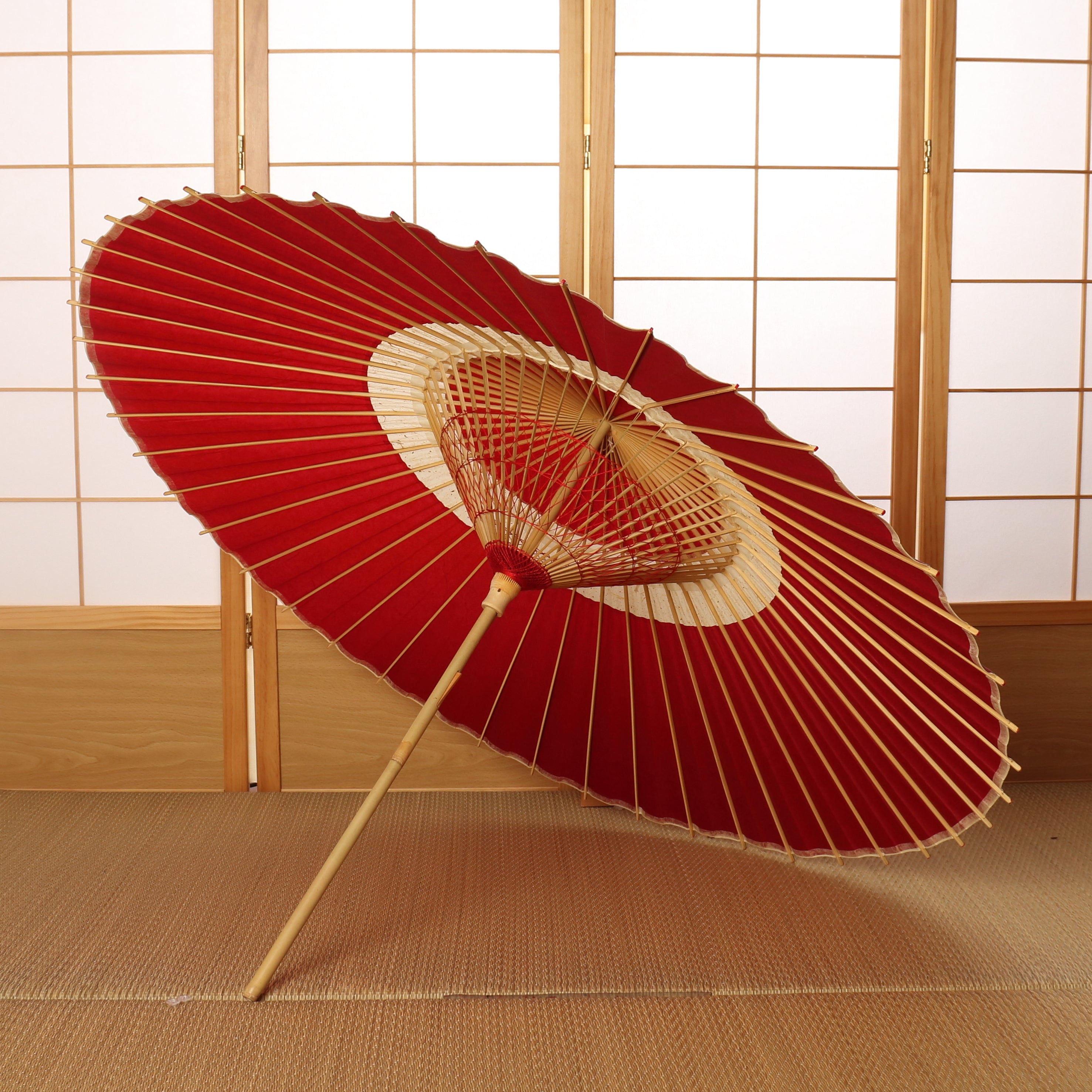
Janome (Slender umbrella)
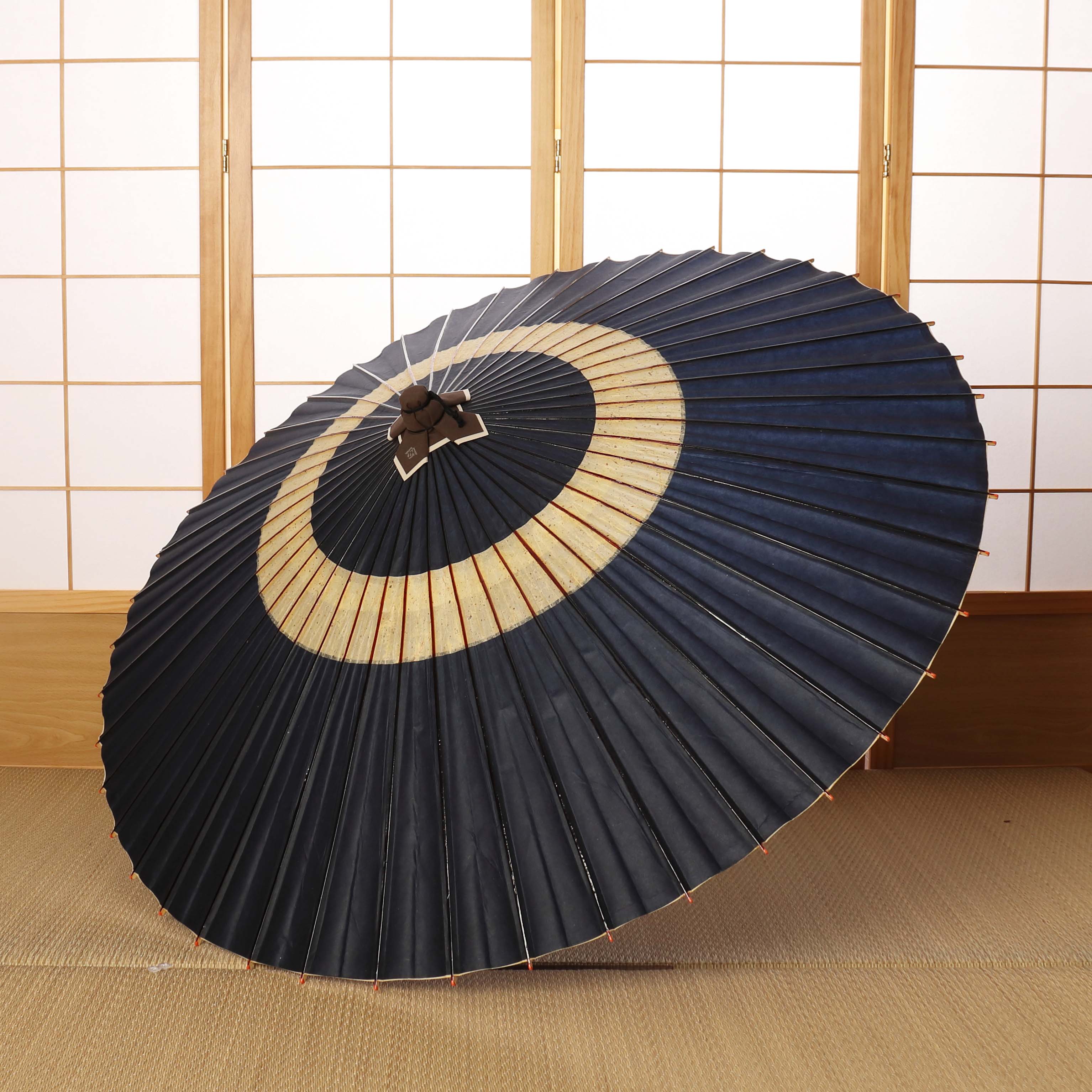
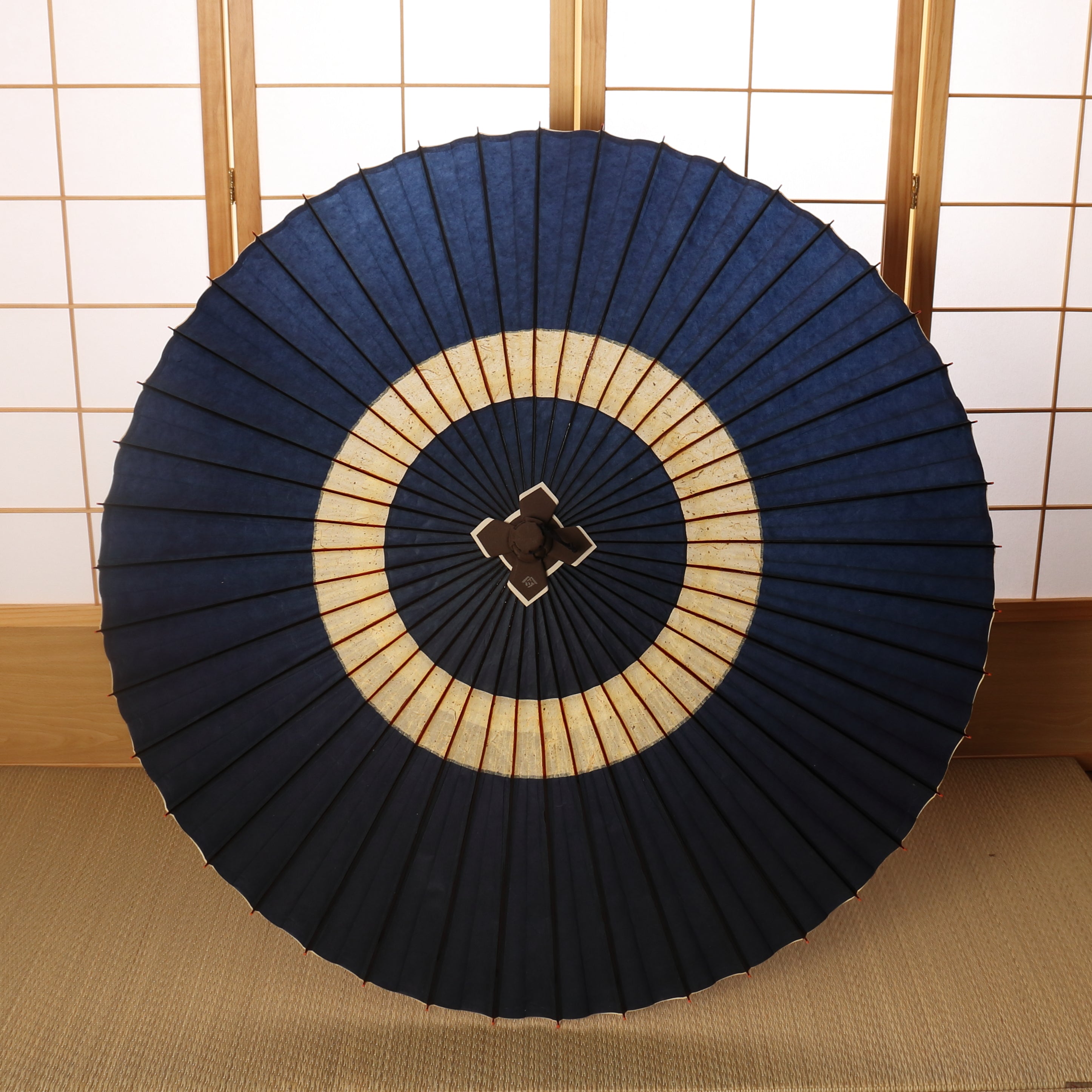
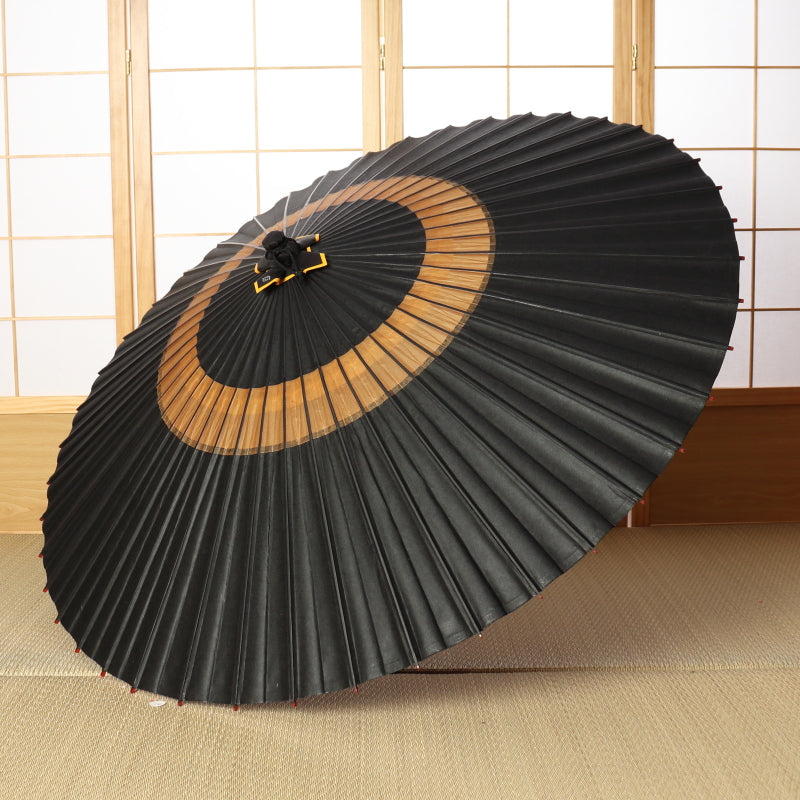
Janome (Slender umbrella)
HOW TO CHOOSE & CARE
How to Choose and Care For

How to Choose a Janome Umbrella
If you plan to use it daily as a rain umbrella, prioritize lightness and ease of opening and closing. If you value its appearance for Japanese attire or photography, choose based on color and pattern. It can be used by both men and women, with either Japanese or Western clothing.
For a first umbrella, classic indigo or jet black are recommended for their versatility. For gifts, a lucky "Janome" pattern is a popular choice.

Care for extended use
After use, air dry thoroughly in the shade, then roll it loosely for storage. Avoid direct sunlight and rapid drying, as these can cause fading and warping.
Since it is made of Japanese paper, oil, and lacquer, do not leave it wet. Drying it in a well-ventilated place is the key to its longevity. If handled with care, you can enjoy it for many years to come.
FAQ
Janome Umbrella: Frequently Asked Questions
The pattern that appears as thick white rings on a solid background color, such as navy or red, when the umbrella is opened, resembled a snake's eye, which is why it came to be called a "Janome-gasa" (snake-eye umbrella). It originated around the end of the 17th century and spread during the Edo period after being used as a prop in Kabuki plays.
The "Janome" (snake-eye) pattern has long been said to be an amulet modeled after the eye of a snake, which is considered a messenger of the gods. Furthermore, the wide, open shape of an umbrella has given rise to wishes like "protection from impending difficulties" and "lasting happiness under one roof," leading to its use in celebrations and as part of a bride's trousseau.
While their basic structures are similar, a Janome-gasa has thinner ribs, a rattan-wrapped handle, and decorative threads (kagari-ito) on the inside, making it more delicately decorated and lighter than a Bangasa. The difference is that a Bangasa is simple and sturdy with thick bamboo ribs, while a Janome-gasa is elaborate and elegant.
If you plan to use it daily as a rain umbrella, prioritize lightness and ease of opening and closing. If you want it to look good with Japanese attire or in photographs, choose based on color and pattern. These umbrellas can be paired with both Japanese and Western clothing, regardless of gender. If you're unsure, classic indigo or jet black are recommended for their versatility.
After use, please dry it thoroughly in the shade, then roll it lightly and store it. Direct sunlight and rapid drying can cause fading and warping. Since it is made of Japanese paper, oil, and lacquer, do not leave it wet; drying it in a well-ventilated place is the key to its longevity.
Depending on how it is used and cared for, it can last for many years if treated carefully. While the texture of washi paper and oil changes over time, we may be able to re-cover or repair it depending on its condition, so please feel free to consult us.
Yes. A Janomegasa is a traditional umbrella made with Japanese paper treated with waterproofing oil and lacquered ribs, making it a genuine rain umbrella. The sound of raindrops hitting the Japanese paper and the soft light that permeates the inside of the umbrella offer a unique charm on rainy days that plastic umbrellas cannot.
Janomegasa have a two-stage "hajiki" (latch) that holds the umbrella open, allowing you to open the umbrella slightly narrower in crowded places or on windy days. However, like any umbrella, there is a risk of damage in strong winds, so please use it within reasonable limits.
EPILOGUE
Cherish rainy days
The sound of rain hitting washi paper, the soft light glowing inside the umbrella.
A wagasa transforms a gloomy rainy day into one you look forward to.
Keep a handmade wagasa from Tsujikura of Kyoto by your side.